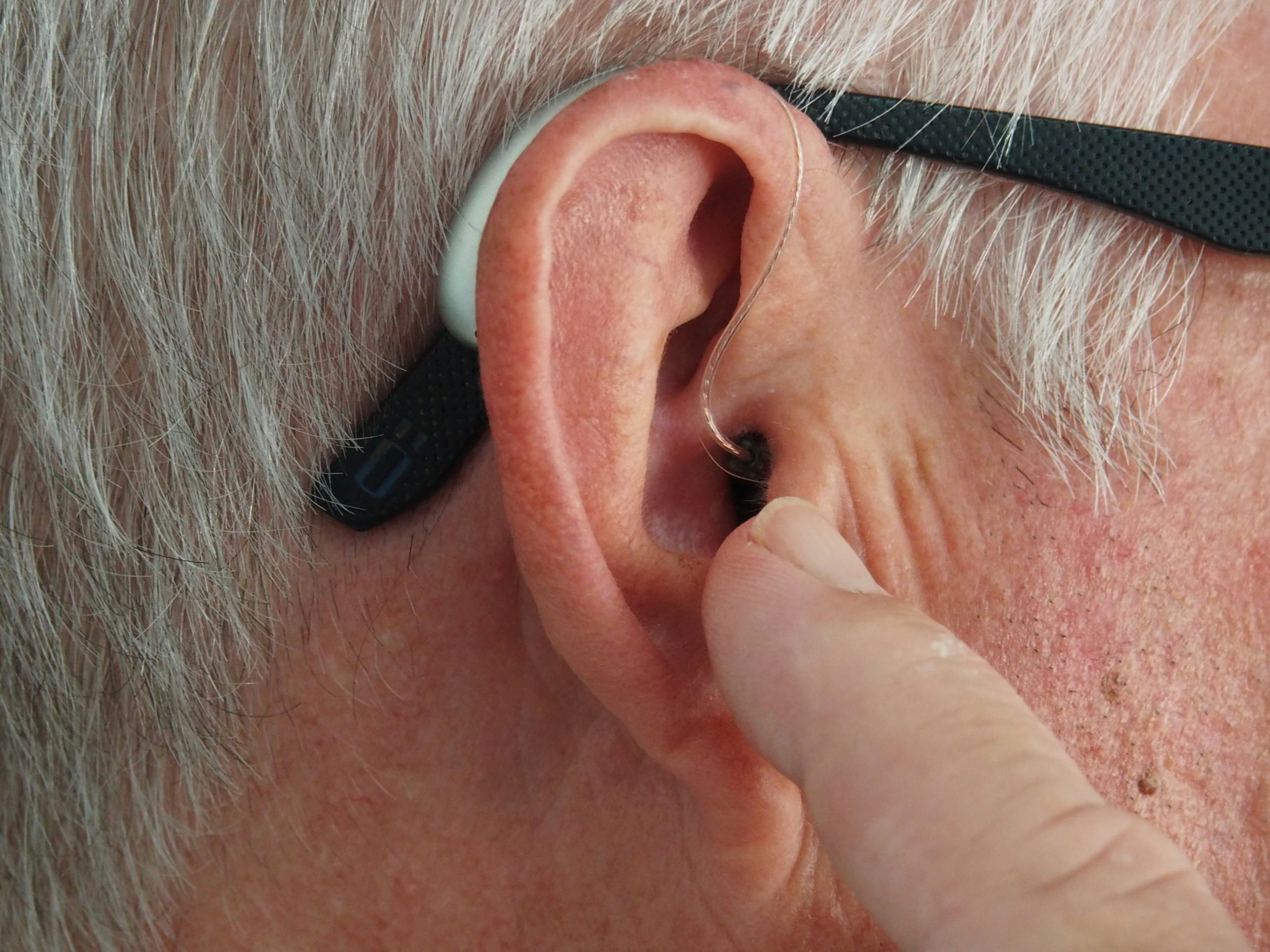
Anyone with hearing aids knows just how helpful they can be in getting through daily life. But, they’ll also know that there are times where they’re not enough. When you’re in this position, you could end up looking into assistive listening devices.
Let’s get into what these are and how they can help you.
Why Hearing Aids Aren’t Always Enough
Hearing aids are excellent at helping you hear speech and many everyday sounds. But, there are times when they just don’t do the job, like:
- When you remove your hearing aids to sleep.
- You’re in another room with the television or another device on.
- You’re outside in the garden.
- You need to hear an alert immediately in case of an emergency.
That’s where assistive listening devices come in. They work alongside your hearing aids instead of replacing them, with a few of them standing out.
Assistive Listening Devices for Hearing Loss: What You Can Use
Alarm Clocks
One of the more common concerns people have is waking up on time. Traditional alarm clocks rely entirely on sound, which mightn’t be enough if you sleep without hearing aids. But specifically designed alarm clocks offer several ways to wake you up safely and reliably.
Many use a vibration pad or bed shaker placed under their pillow or mattress. Instead of using just noise alone, the vibration gently but firmly wakes you up at the designated time. Some options combine vibrations with extra-loud alarms, bright flashing lights, and adjustable settings.
These features offer multiple ways to alert you, making it a lot less likely you’ll sleep through when you’re supposed to wake up. For people who travel regularly, compact portable options are also available.
Doorbells
Missing someone at the front door can be a frustrating experience, whether it’s a family member dropping by, a delivery driver, or an important visitor. Standard doorbells, however, mightn’t be hearable, no matter where you are in the house.
Modern hearing loss devices designed for doorbell alerts offer several ways to notify you when someone arrives. Depending on your needs, an alert could come through:
- Flashing lights around the home.
- Portable receivers you can carry throughout the home.
- Wrist-worn vibrating receivers.
- Louder indoor chimes.
- Smartphone notifications.
Instead of wondering whether someone knocked or rang the doorbell, you’ll get a clear notification, no matter where you happen to be.
Smoke Alarms
Home safety is one of the more notable areas to pay attention to, and smoke alarms can be particularly important. Many people remove their hearing aids before sleeping. So, if a standard smoke alarm activates during the night, there’s a real risk it wouldn’t be heard at all.
That’s why ordinary smoke alarms mightn’t provide adequate protection for some people living with hearing loss. Smoke alarm systems designed for people with hearing loss often combine several alert methods, including:
- Bright flashing strobe lights.
- Powerful bed-shaker vibration units.
- Extra-loud receivers positioned throughout the home.
- Connected alert systems that notify multiple devices at once.
These features work together to maximise the chances of waking someone up during an emergency.
Because home layouts and hearing needs vary, it’s important to look for professional advice when picking a suitable system. Proper installation also makes sure the equipment works as intended and provides reliable protection when it matters the most.
Could Assistive Listening Devices Help You?
Most people don’t realise how much easier daily life can be with the right support. If you regularly miss household sounds, rely heavily on family members to alert you, or feel anxious about hearing important alarms, assistive listening devices might be worth considering.
They’re particularly helpful for:
- Older adults living independently.
- People with moderate to profound hearing loss.
- Family members caring for someone with hearing difficulties.
- Anyone who removes their hearing aids while sleeping.
The right combination of hearing accessories can make everyday routines simpler while improving home safety and your overall confidence.
We’re Here to Help
This makes picking the right assistive listening devices vital, but it doesn’t have to be a confusing or overwhelming process. At South Burnett Hearing, we take the time to understand your needs, lifestyle, and home environment before recommending practical solutions.
Whether you need support with alerting devices, hearing aids, or everyday listening challenges, we’re here to help.
Alongside guidance on assistive listening devices for hearing loss, we also provide comprehensive hearing tests, hearing aid fittings and ongoing care, ear wax removal, tinnitus assessments, TV and phone listening assistance, and a range of hearing accessories to help you with daily life.
Get in touch today to arrange a consultation for yourself or a family member to explore the best options for your needs.